
My Passion for Teaching and Mentoring the Next Generation of Dentists
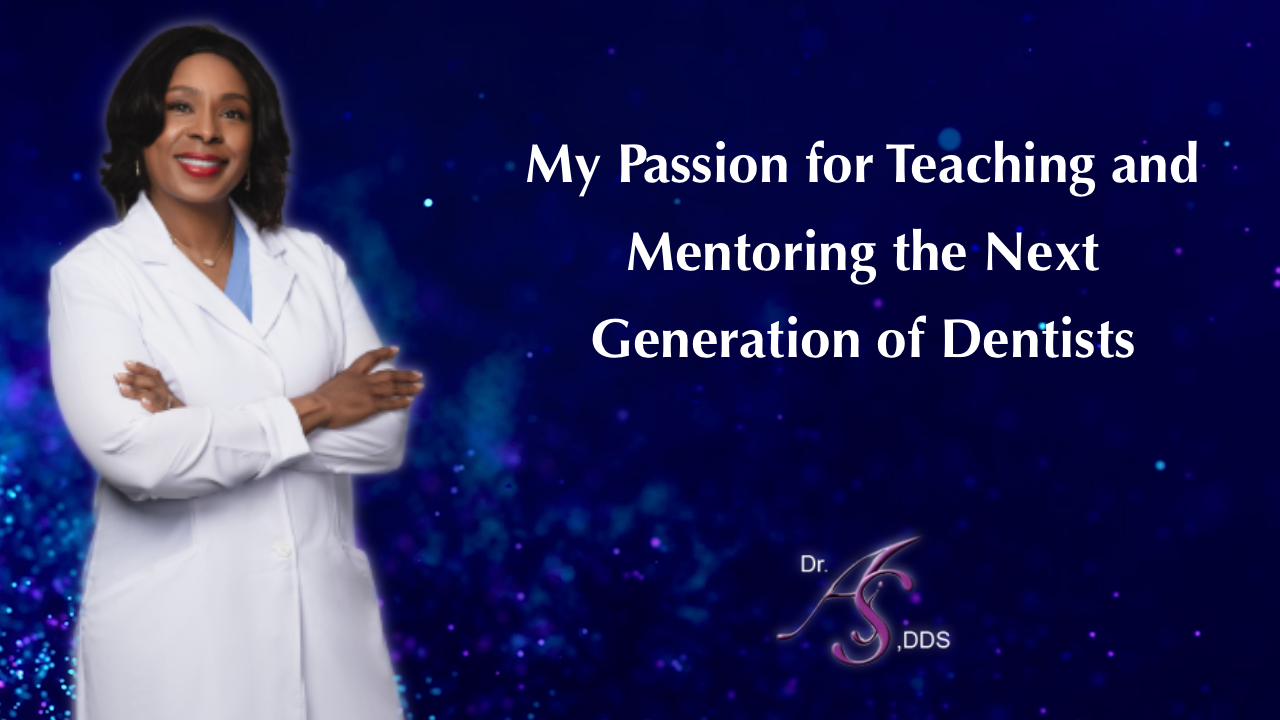
Over the course of more than three decades in clinical practice, I have had the privilege of treating thousands of patients and helping them move from discomfort to stability, from pain to function. That work has always been central to my identity as a dentist. However, as experience accumulates, responsibility evolves. At a certain point, the greatest impact no longer comes solely from what happens in my own operatory, but from how knowledge is transferred to others.
Teaching and mentoring dentists became important to me when I began to see how clinical experience—earned over years of patient care—could directly influence outcomes beyond my own practice. When a dentist successfully applies a technique they once hesitated to adopt, or gains the confidence to manage a case that previously felt out of reach, that experience translates into better care for many more patients than one dentist could ever treat personally.
Dentistry continues to evolve rapidly, and with that evolution comes both opportunity and uncertainty. New techniques, materials, and technologies require not just exposure, but context—understanding what works, why it works, and how to apply it responsibly in real-world practice. My role as an educator and mentor is rooted in providing that context, grounded in clinical experience rather than theory alone.
This transition from exclusive patient care to teaching and mentorship has not been a departure from my work in dentistry, but a continuation of it—one that allows experience to be preserved, shared, and built upon for the benefit of both clinicians and the patients they serve.
An Overview of My Dental Career
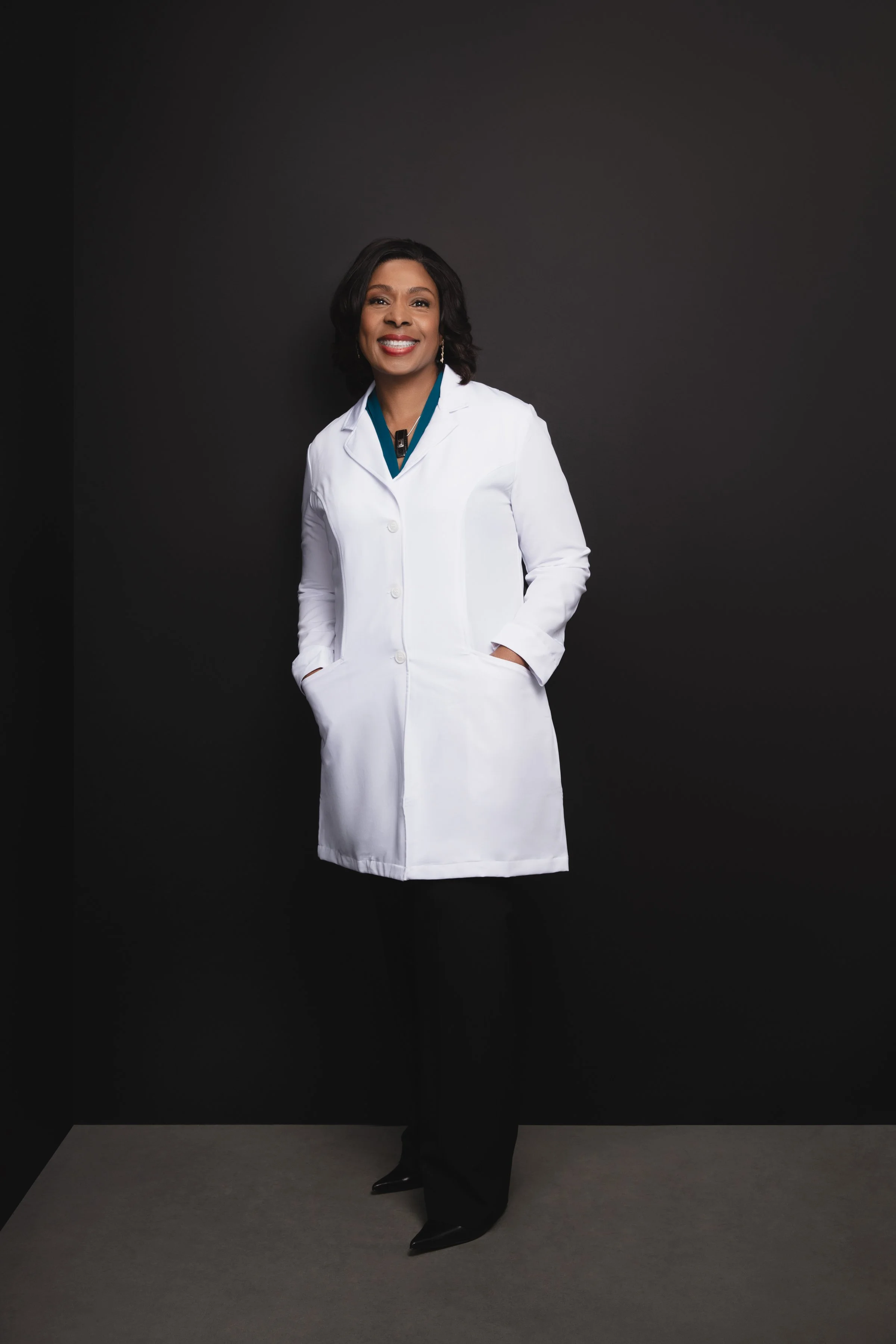
I have been practicing dentistry since 1994, with more than three decades devoted to patient care in the Sacramento area. I earned my Bachelor’s degree in Psychology from UCLA and graduated from UCSF Dental School in 1994, a foundation that shaped both my clinical approach and my understanding of the patient experience.
Throughout my career, I have consistently sought out advanced and specialty services that go beyond routine general dentistry, with the goal of offering patients thoughtful, effective, and contemporary treatment options. That pursuit led me to areas such as dental implantology and therapeutic Botox for TMJ and orofacial pain, along with other specialty-driven techniques adopted over the years.
Rather than viewing dentistry as static, I have always approached it as a field that requires continual growth, refinement, and clinical curiosity. As these advanced techniques became an integral part of my practice, they naturally shaped my transition into education and mentorship—allowing me to share not just techniques, but the clinical judgment and experience that support their successful use.
The importance of continuing education in dentistry
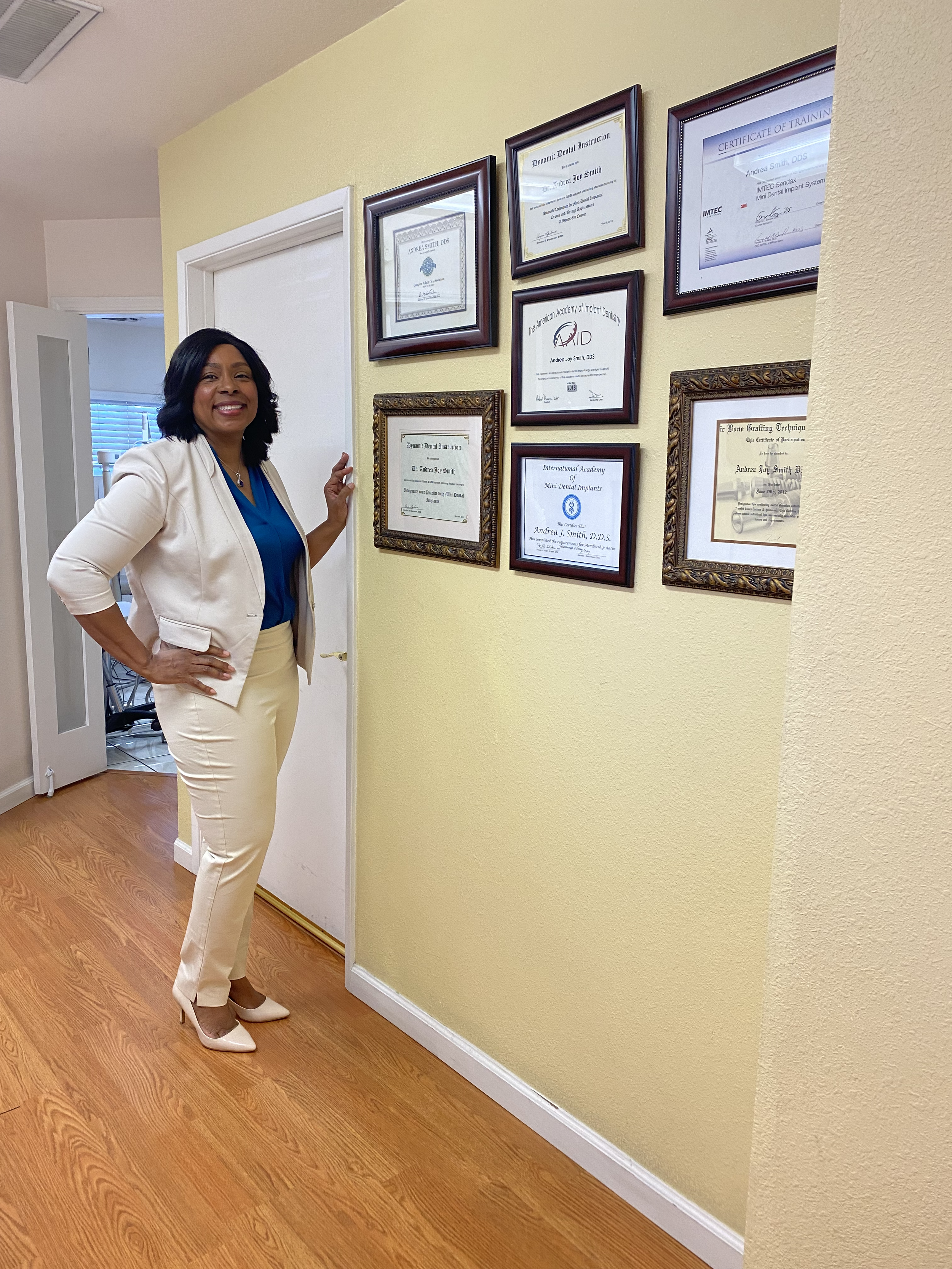
Continuing education is a requirement for maintaining a dental license, but in practice, it is far more than a regulatory obligation. Dentistry evolves continuously, with new materials, techniques, and technologies reshaping how we diagnose, treat, and manage patients. Without ongoing education, it becomes easy to fall behind—not only clinically, but in the quality of care patients ultimately receive.
Staying current requires more than occasional exposure to new information. It requires being in an environment where learning is ongoing and practical, and where new concepts can be evaluated, questioned, and responsibly integrated into daily practice. When that doesn’t happen, practices risk becoming stagnant, and patients miss the opportunity to benefit from advancements that could improve outcomes, comfort, and efficiency.
This belief in practical, experience-based learning is what led me to become involved in dental education. Through Dental Practice Mastery, I teach continuing education courses that combine accredited instruction with mentorship and on-demand learning, allowing dentists to revisit material as needed and apply it thoughtfully over time. This approach reflects my view that meaningful learning in dentistry is cumulative and ongoing—a concept I will expand on later in this article.
Teaching Innovative Dental Techniques
Innovation in dentistry often happens incrementally. Techniques that were once standard—such as analog impressions or film-based X-rays—have been replaced by digital workflows that improve efficiency, communication, and patient experience. Intraoral scanning, digital imaging, and advances in implant design are just a few examples of how the profession continues to evolve in practical, meaningful ways.
In my own practice, innovation has focused on approaches that simplify treatment while maintaining predictable outcomes. This includes incorporating one-piece dental implant techniques as an alternative to more extensive surgical protocols, as well as therapeutic Botox for TMJ and orofacial pain management. These techniques allow dentists to address patient needs more efficiently and, in many cases, with fewer barriers to compliance.
By teaching these methods—both online and in person—I’m able to share real-world clinical context around how and when they can be used effectively. For me, sharing innovative techniques is about extending the impact of what I’ve learned in practice—helping proven procedures reach more patients through thoughtful, experience-driven application.
How Teaching Oral Health Topics Benefits Peers
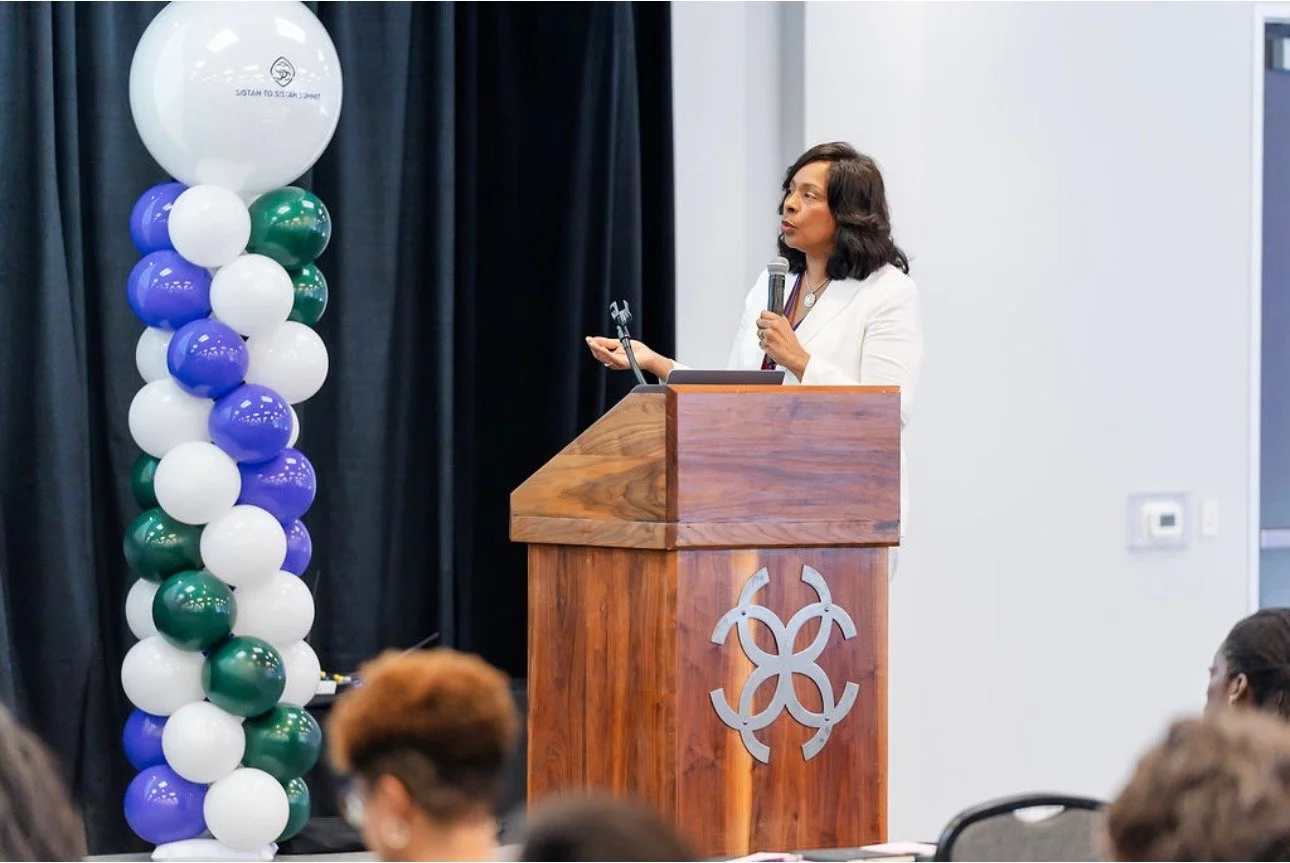
Teaching oral health topics allows my peers to expand their knowledge beyond the areas they may naturally focus on in their own practices. Learning from someone with direct clinical experience provides perspective that goes beyond theory and helps dentists better understand how and why certain approaches may be worth exploring.
By sharing what I’ve learned over time—what has worked in my hands and how patients have responded—I’m able to offer practical insight to dentists who are considering adding new techniques to their repertoire. This exchange of experience helps support thoughtful decision-making and gives peers a clearer framework for evaluating how new concepts might fit into their own practices.
The Benefits of Hands-On Learning
Hands-on learning allows dentists to develop the muscle memory required to perform techniques with confidence and precision. It also provides the opportunity to visualize each step of a procedure in a controlled setting before applying it chairside.
This type of learning supports repetition and refinement, helping dentists build familiarity and technical comfort in a way that lectures alone cannot. Gaining experience through guided practice is often what bridges the gap between understanding a concept and confidently incorporating it into clinical practice.
How Online Courses can Help Advance Your Dental Career

Throughout my career, much of my own education came from in-person courses, hands-on training, and learning directly from mentors. Those experiences remain invaluable. But, in more recent years, I’ve also come to appreciate the role online education can play in supporting ongoing professional development.
While in-person learning offers depth and interaction, it isn’t always practical. Busy schedules, travel limitations, or distance from a particular instructor can make attendance difficult. Online courses provide the advantage of accessibility—allowing dentists to learn at their own pace and revisit material as questions arise, without taking extended time away from their practice.
The use of virtual teaching technology has become a valuable tool in continuing education. It allows learning to remain consistent and available, complementing hands-on and in-person experiences while supporting long-term growth in a way that fits modern practice realities.
Why Having a Dental Mentor is Beneficial as a Dentist
Learning new techniques—especially complex ones—can be intimidating at any stage of a dental career. Having a mentor provides guidance from someone who has real experience with the technique, helping to shorten the learning curve and reduce uncertainty along the way.
Dentistry can also be an isolating profession. Many practices operate independently, and it’s easy to feel as though you’re navigating challenges on your own. Mentorship creates connection, offering perspective, support, and a sense of continuity within the profession. Throughout my career, I’ve had mentors across multiple areas of dentistry, and their guidance has been instrumental in my professional growth. Learning from those who came before me has played a meaningful role in shaping both how I practice and how I approach education today.
Ushering in the New Generation of Dentists and Dental Innovations

Dentistry continues to expand as new dentists enter the profession and new techniques and technologies are introduced. Supporting that transition is important, particularly for dentists who are early in their careers and still building clinical experience.
By sharing perspective shaped by years of practice, I’m able to help bridge the profession’s past with its present—providing context for why certain principles remain essential while new tools and approaches continue to emerge. Advances in technology, including digital workflows and AI-assisted systems, are changing how dentistry is practiced, and understanding how to integrate these developments responsibly is key.
When experience and innovation are viewed together rather than separately, it creates a framework where new dentists can adopt modern techniques with confidence while remaining grounded in sound clinical judgment.
People and Courses I’ve Learned from Along the Way
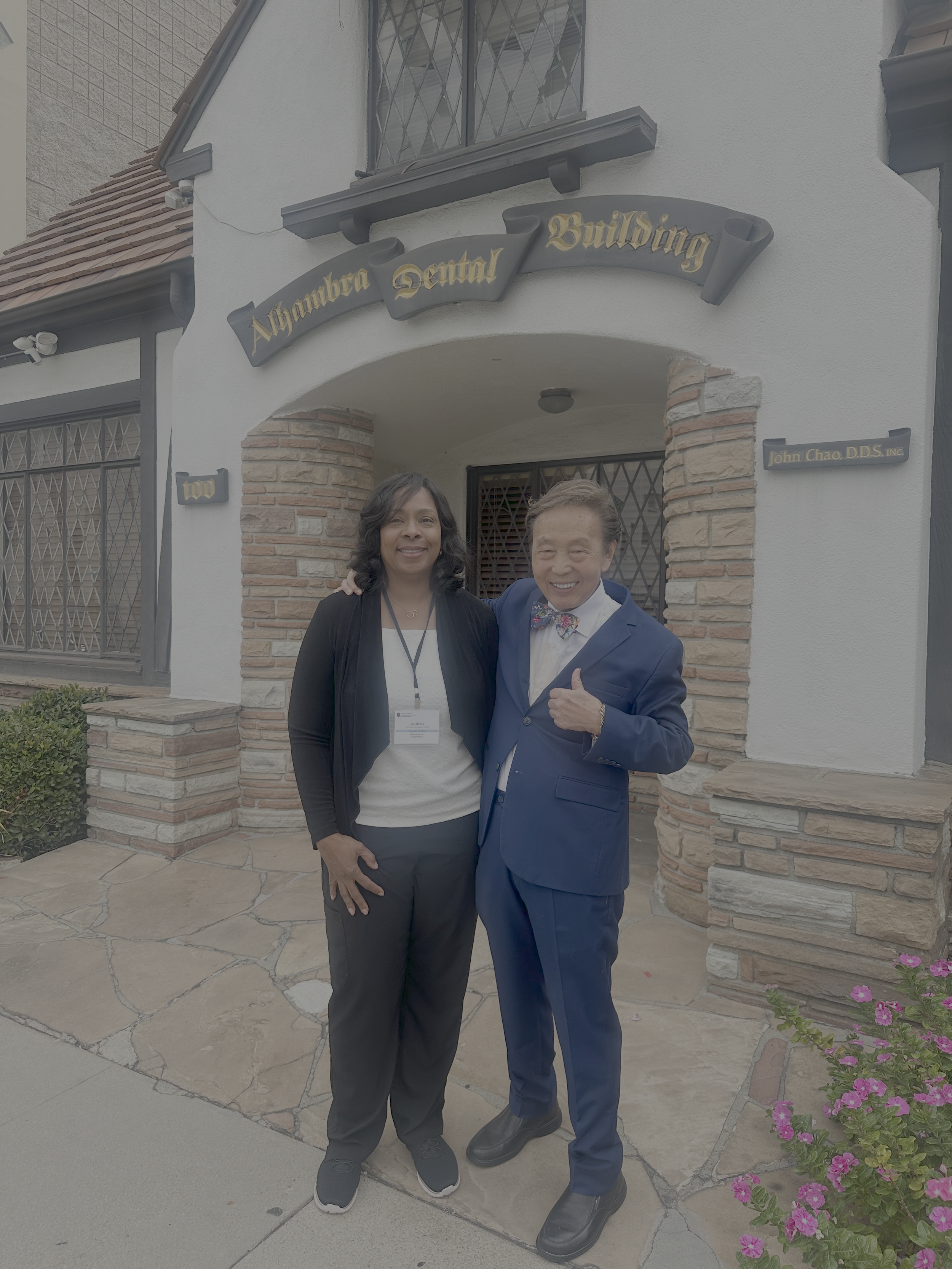
Dr. Andrea Joy Smith and Dr. John Chao
Throughout my career, mentors and structured education have played an essential role in my professional growth. I’ve learned from a combination of formal programs, hands-on courses, and experienced clinicians who were generous with their time and knowledge.
My training in therapeutic Botox for dentistry was shaped through programs offered by the American Academy of Facial Esthetics and the Aesthetic Learning Center. My understanding of one-piece implant concepts and treatment planning was further developed through education and experience with organizations such as Imtech, BioHorizons, and Shatkin FIRST. I also trained in the Pinhole Surgical Technique for treating gingival recession with Dr. John Chao, who continues to be my mentor to this day.
In addition to formal coursework, I’ve benefited from the guidance of many dentists who served as general mentors throughout my career. Learning from those who were willing to share their experience has been instrumental in shaping how I practice today—and has ultimately inspired my commitment to teaching and mentoring other dentists in the same spirit.
How to Work with Me as a Dental Educator, Consultant, and Mentor
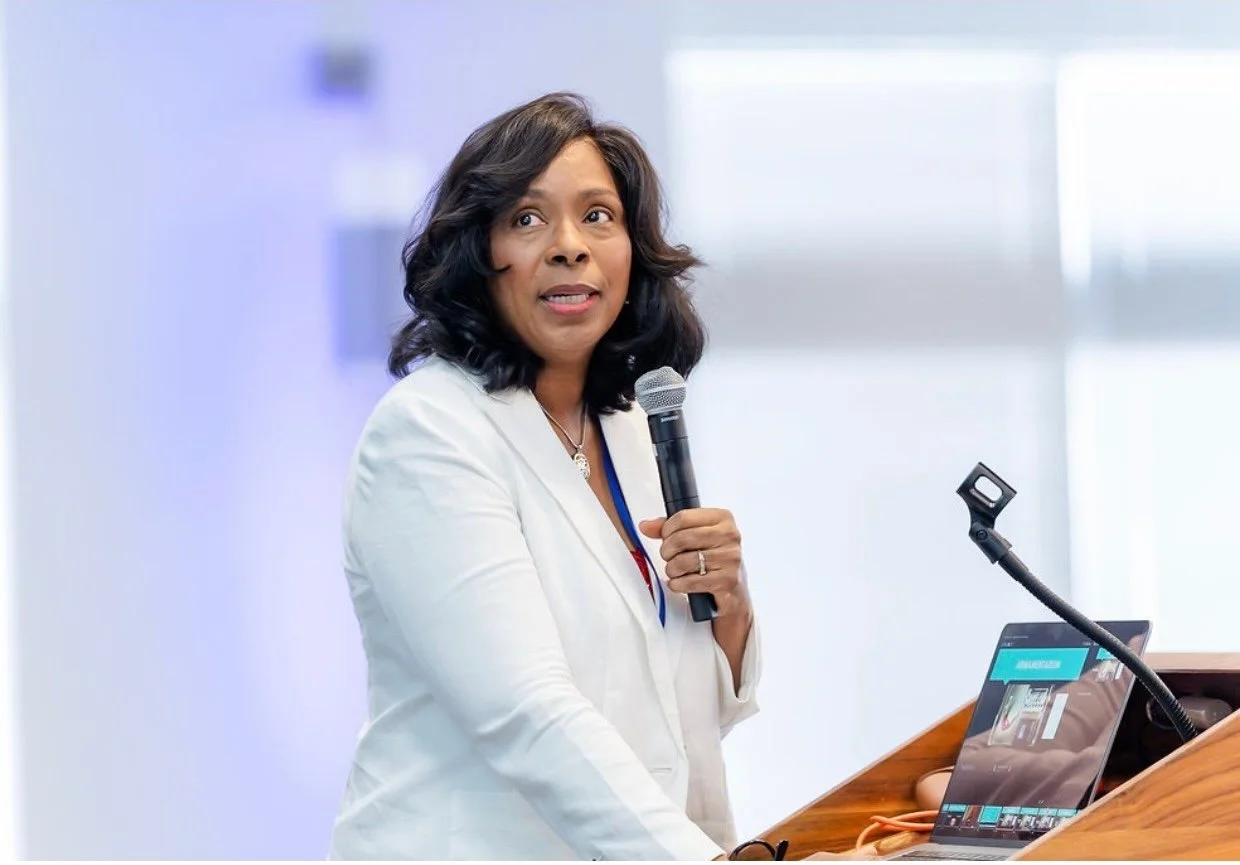
There are several ways dentists can work with me to support their professional development. I serve as a dental educator and mentor through Dental Practice Mastery, where I teach focused courses in Botox for Dentistry and one-piece implant techniques, combining structured education with practical clinical context.
In addition to formal coursework, I offer individualized consulting and mentorship. This can include in-office visits to help doctors implement new procedures, refine workflows, and gain confidence integrating techniques such as Botox and one-piece implants into daily practice. I am also available to speak at dental events and provide one-on-one mentorship, supporting dentists who are looking for guidance that is practical, experience-based, and tailored to their goals.
For more information about my online courses, visit www.DrAndreaJoySmith.com/Courses
For inquiries, please visit my media page at www.DrAndreaJoySmith.com/media.
Conclusion
Teaching and mentoring have become a natural extension of my work in dentistry. After decades of patient care, sharing clinical experience and perspective allows that work to reach beyond my own practice and support dentists who are committed to growing, evolving, and improving the care they provide.
Whether learning happens online or in person, continuing education grounded in real-world experience helps strengthen the profession and, ultimately, benefits the patients we serve. For me, education is not separate from clinical practice—it is a way of preserving experience, supporting progress, and contributing meaningfully to the future of dentistry. I’m excited for this next chapter of my career and look forward to continuing to advance the profession to which I have dedicated my life’s work.