Everything You Need To Know About Sedation Dentistry
Over the course of more than 30 years in dentistry, one of the biggest things I have learned is that fear prevents many people from receiving the dental care they truly need. Early in my career, I honestly was not fully aware of how common dental anxiety was. Growing up, I rarely went to the dentist myself and never had major dental problems, so I did not personally understand the level of fear many patients experience. However, once I began practicing, I quickly realized that fear of pain, fear of the unknown, and fear of losing control were causing patients to delay treatment for years.
That realization led me to pursue formal training in conscious sedation through the Dental Organization for Conscious Sedation, where I completed a series of intensive courses over approximately one year. I wanted to create a way for highly anxious patients to receive treatment comfortably while still achieving excellent oral health. Since implementing sedation dentistry into my practice, I have seen firsthand how transformative it can be for both patients and providers.
What is Sedation Dentistry?
Sedation dentistry is a pharmaceutical approach used to help patients feel relaxed and comfortable during dental treatment. Oral conscious sedation commonly uses medications such as benzodiazepines and hydroxyzine to reduce anxiety without requiring general anesthesia. Patients remain conscious and responsive, but they are deeply relaxed throughout the procedure. For many patients with severe dental anxiety, sedation dentistry makes treatment possible when they otherwise may avoid care completely.
Understanding Dental Fear and Anxiety
Dental fear is far more common than many dentists initially realize. In my experience, patients are often not simply afraid of dentistry itself—they are afraid of discomfort, uncertainty, and feeling vulnerable during treatment. Many patients delay care for years because these fears become overwhelming over time. Unfortunately, postponing treatment usually results in more complex dental problems that require even more extensive care later on.
Signs and Symptoms of Dental Anxiety
Patients with dental anxiety often show both emotional and physical signs of stress. Some patients repeatedly cancel appointments or avoid the dentist entirely until they are in severe pain. Others may experience elevated blood pressure, rapid heartbeat, sweating, difficulty sitting through procedures, or an exaggerated gag reflex. Recognizing these signs early can help dentists identify patients who may benefit from sedation dentistry.
How Sedation Dentistry Improves Patient Comfort and Outcomes
One of the greatest advantages of sedation dentistry is that it allows patients to receive treatment in a calm and relaxed state. In my practice, sedation has made it possible to complete multiple procedures in a single visit that would otherwise require many appointments. Patients are more comfortable, treatment becomes more efficient, and overall outcomes often improve because patients are finally willing to move forward with care. Sedation dentistry also creates a more controlled and productive clinical environment for the dental team.
Medical History Considerations

A detailed medical history review is essential before beginning any sedation protocol. Reviewing a patient’s health conditions, medications, and overall medical status helps identify any contraindications or necessary modifications to treatment. ASA classification is also important when determining whether a patient is an appropriate candidate for oral conscious sedation. Careful patient evaluation is one of the most important aspects of safe sedation dentistry.
Who is a Candidate for Sedation Dentistry?

In my experience, the best candidates for sedation dentistry are patients who have suffered from dental anxiety for many years or patients who need a significant amount of dental treatment completed. Many patients feel overwhelmed by the idea of returning for 10 or 15 separate appointments, so sedation gives them an opportunity to condense treatment into one or two visits. Patients who are medically stable and simply want to feel more relaxed during dental care can also benefit greatly from oral conscious sedation.
The Types of Sedation

There are several levels of sedation used in dentistry today. Oral conscious sedation is one of the most conservative and accessible methods because patients remain conscious while feeling deeply relaxed. IV sedation provides a deeper level of sedation and allows medication to be adjusted throughout treatment. General anesthesia produces complete unconsciousness and is generally reserved for hospital or surgical settings requiring advanced monitoring and specialized training.
IV Sedation vs. Oral Sedation vs. General Anesthesia
Each sedation modality serves a different purpose depending on the patient and procedure. Oral conscious sedation is often ideal for general dental practices because it is conservative, effective, and does not require general anesthesia. IV sedation offers greater control and faster onset, making it useful for more complex surgical procedures. General anesthesia creates complete unconsciousness and is typically used only in highly specialized settings due to the increased level of monitoring and risk management involved.
Training Requirements for Sedation Dentistry
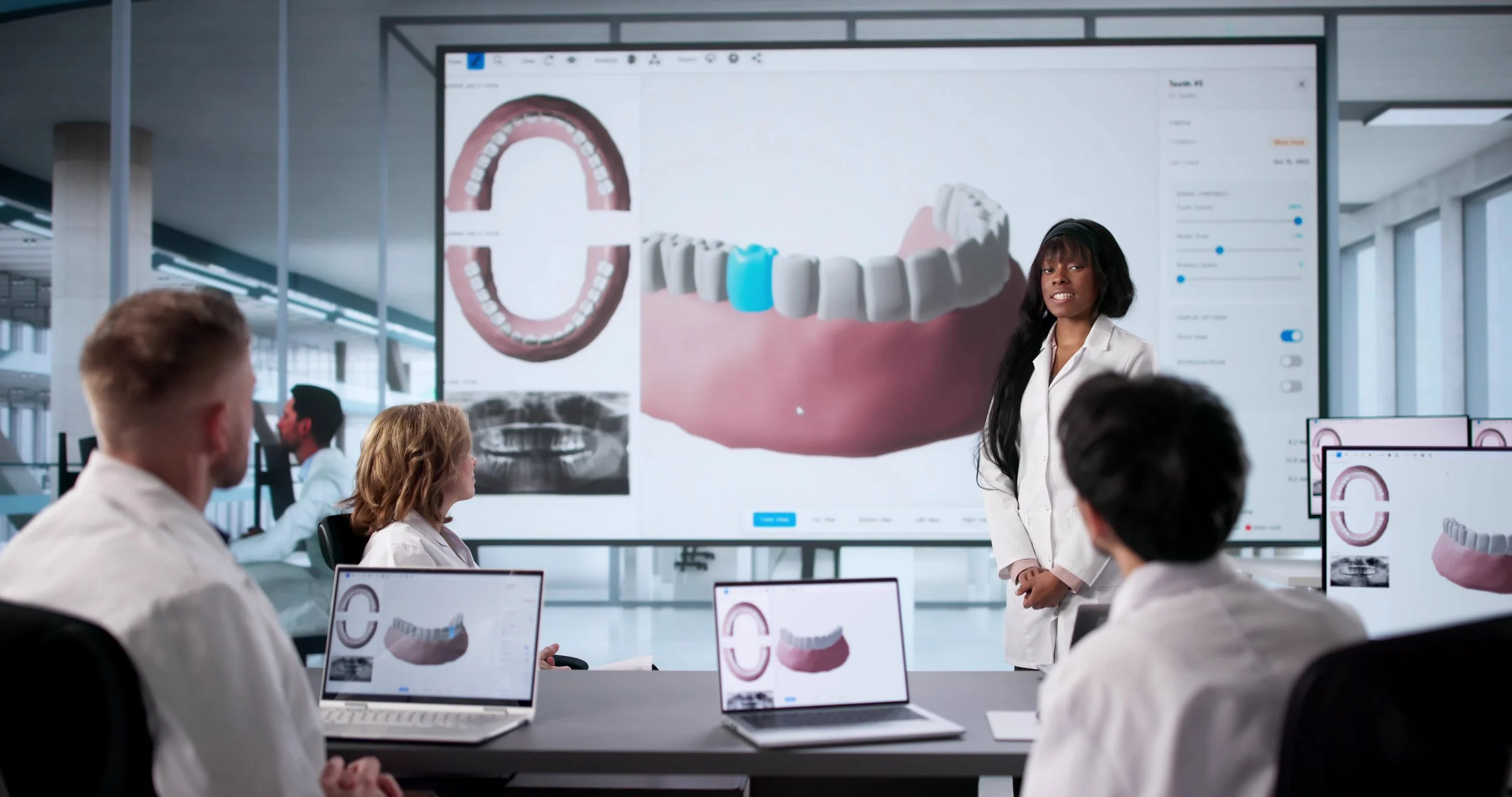
Implementing sedation dentistry into a practice requires proper training, certification, and permitting. My own training through the Dental Organization for Conscious Sedation included extensive coursework completed over approximately one year. Dentists must also meet the requirements established by their local and state dental boards. In addition to clinical training, emergency preparedness and staff education are critical components of safe sedation practice.
Sedation Dentistry Armamentarium
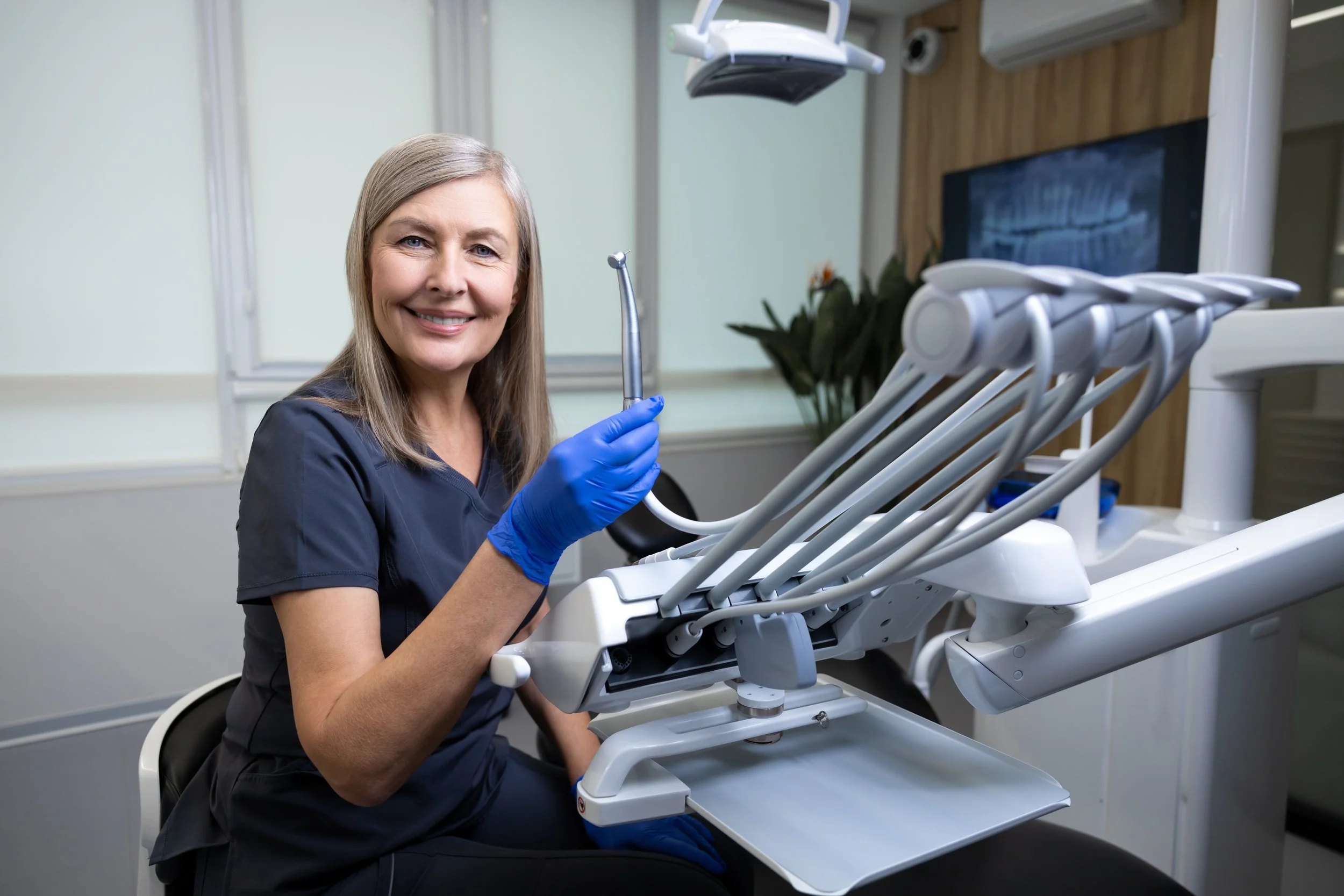
A properly equipped sedation practice must include the appropriate monitoring and emergency equipment. Continuous pulse oximetry, oxygen delivery systems, blood pressure monitoring, and emergency medications are all essential. In my practice, patient blood pressure is monitored regularly throughout treatment while oxygen saturation and pulse are continuously observed. Proper armamentarium and trained staff help ensure both patient safety and clinical efficiency.
A Breakdown of the Sedation Protocol

Every sedation appointment should follow a structured protocol. Before treatment begins, the patient’s medical history, medications, and consent forms are carefully reviewed. During treatment, vital signs are continuously monitored while the patient remains under close observation. After the procedure, patients are monitored during recovery and discharged only after meeting appropriate safety criteria. Following a consistent protocol helps create predictable and safe outcomes.
Pre-Sedation: What You Need to Know

Pre-sedation preparation plays an important role in patient safety. Patients should receive detailed instructions regarding medications, eating restrictions when applicable, and transportation arrangements. Baseline vital signs should always be recorded before sedation begins. Taking the time to properly prepare patients helps reduce complications and improves the overall treatment experience.
Post-Sedation Care for Patients

After sedation, patients must be monitored carefully until they are stable enough to return home safely. Written post-operative instructions should be reviewed with both the patient and their escort. Most patients experience drowsiness for several hours following treatment, so driving and strenuous activity should be avoided. Good post-operative communication helps support a smooth recovery process.
Patient Experience During Sedation Dentistry
Many patients describe oral conscious sedation as a calming and almost dream-like experience. Some patients remember very little about the actual procedure, which often reduces their anxiety about future dental visits. Over the years, I have seen patients who once avoided dentistry completely become comfortable returning for regular care after a positive sedation experience. That transformation is one of the most rewarding aspects of sedation dentistry.
Sedation Dentistry for Medically Compromised Patients

Medically compromised patients can often benefit from sedation dentistry because more treatment can be completed in fewer visits. However, these patients require careful evaluation and sometimes consultation with their physician. Patients classified as ASA I or ASA II are generally appropriate candidates for conscious sedation, while patients with more complex or uncontrolled medical conditions may require modifications or additional precautions. Careful planning is essential when treating medically compromised individuals.
Adding Sedation Dentistry to Your Practice

Adding sedation dentistry to my practice has been rewarding both clinically and professionally. It has allowed us to help patients who otherwise may never have pursued treatment while also improving practice efficiency and productivity. Completing multiple procedures in a single appointment benefits both the patient and the dental team. For many dentists, sedation dentistry can become both a valuable patient service and an important part of practice growth.
Benefits of Sedation Dentistry

Sedation dentistry offers significant benefits for both patients and providers. Patients experience reduced anxiety, fewer appointments, and a more comfortable treatment process. Dentists benefit from increased efficiency, improved case acceptance, and the ability to complete more dentistry in a controlled setting. These advantages have made sedation dentistry an increasingly important part of modern practice.
Risks and Side Effects of Sedation

Like any medical procedure, sedation dentistry does carry potential risks and side effects. These can include drowsiness, nausea, respiratory depression, or medication interactions. However, with proper patient selection, monitoring, and training, sedation dentistry can be performed very safely. Following established protocols and maintaining emergency preparedness are essential responsibilities for every sedation provider.
Sedation Dentistry for Children
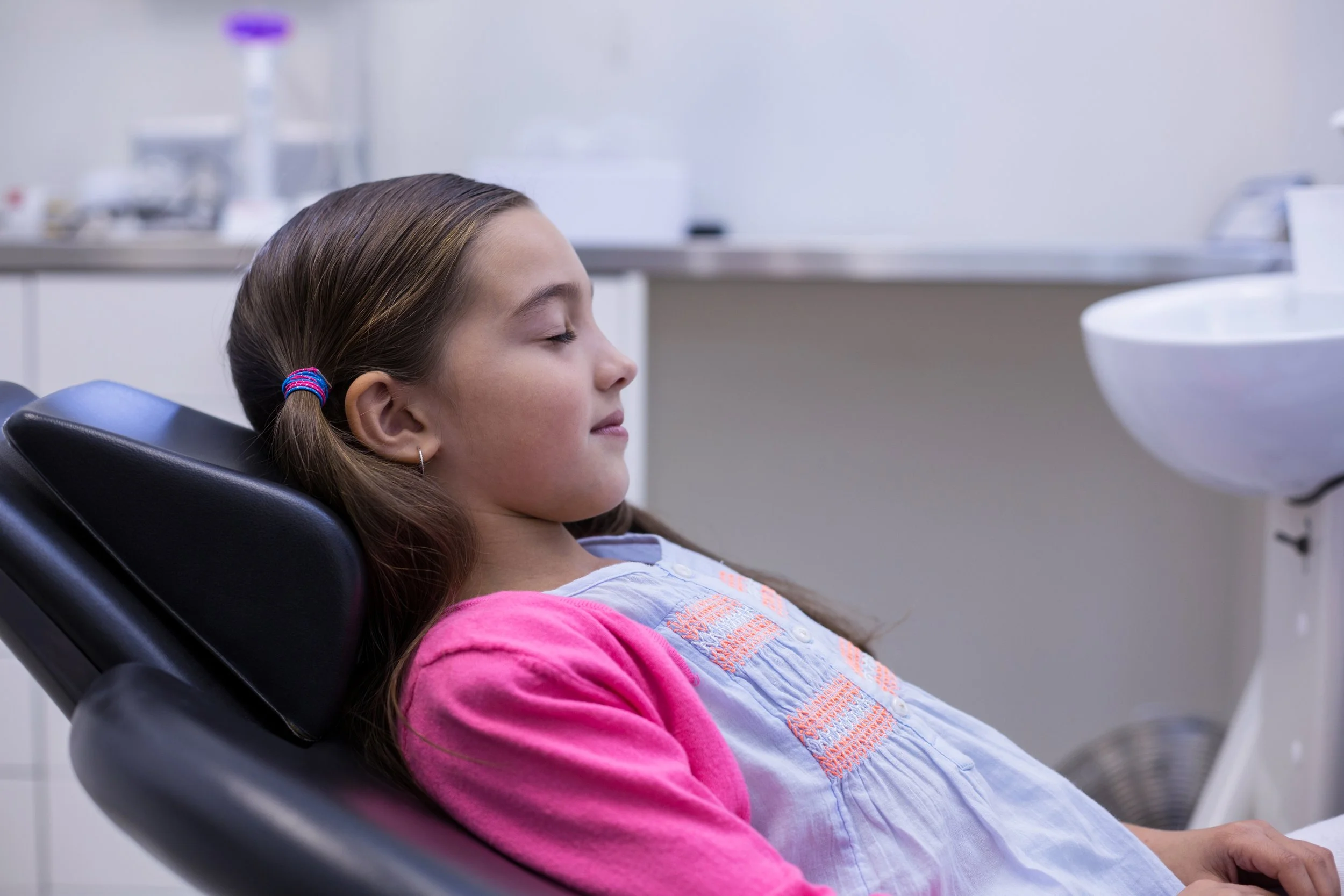
Sedation dentistry may also be appropriate for certain pediatric patients, particularly children with severe anxiety or extensive treatment needs. Pediatric sedation requires additional training, weight-based dosing, and careful monitoring throughout treatment. Safety and patient selection are especially important when treating younger patients. Dentists providing pediatric sedation must ensure they are properly trained and compliant with local regulations.
How to Administer Oral Conscious Sedation
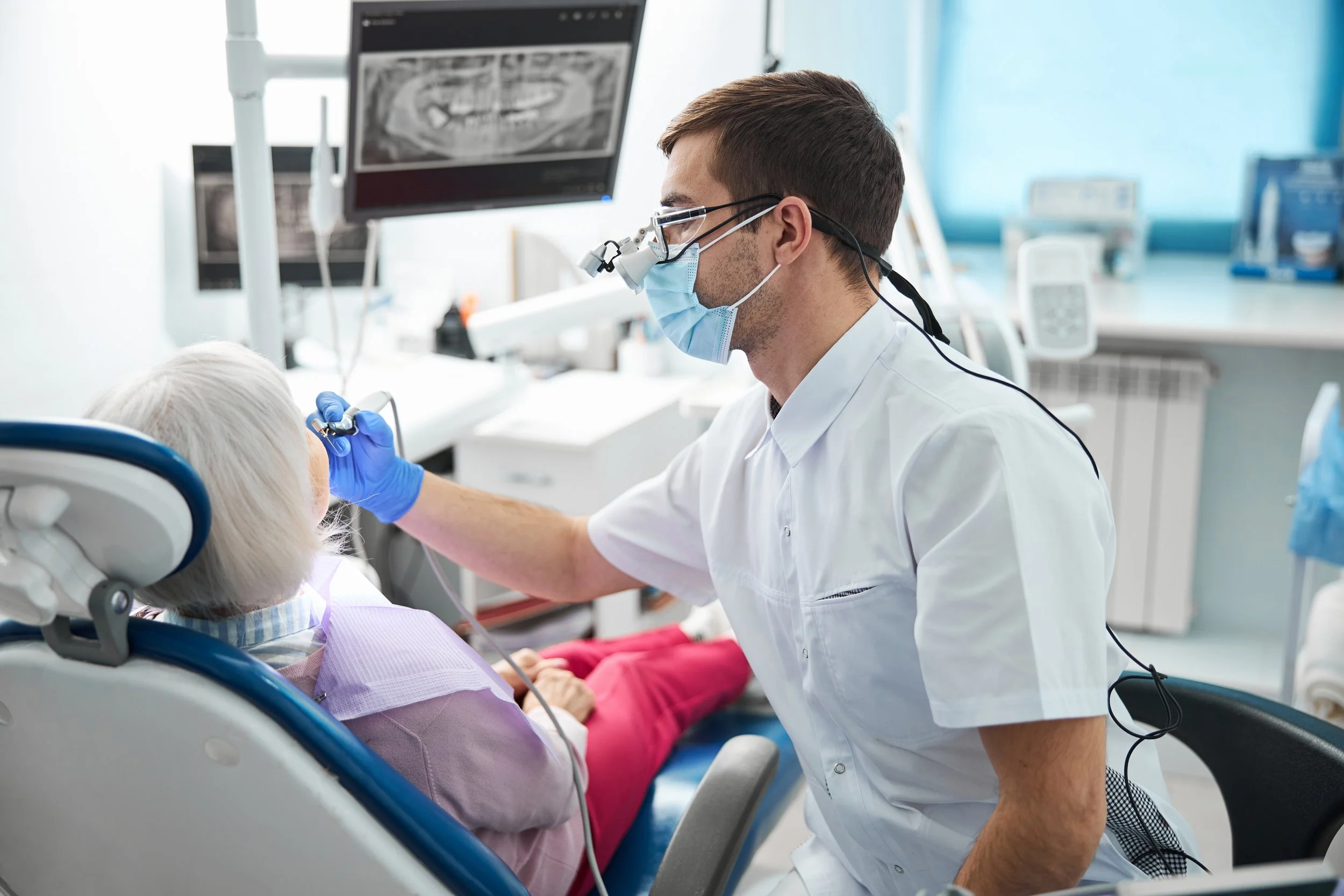
Oral conscious sedation begins with careful patient selection and a thorough review of medical history and medications. Sedative medications are administered before treatment to help patients achieve a deeply relaxed state while remaining conscious and responsive. Throughout the procedure, vital signs such as blood pressure, pulse, and oxygen saturation are monitored continuously. When proper protocols are followed, oral conscious sedation can be a safe and highly effective way to help anxious patients receive dental care comfortably.
Final Thoughts

Over the years, sedation dentistry has become one of the most meaningful additions to my clinical practice. It has allowed me to help patients overcome fear, complete treatment more efficiently, and improve their oral health in ways they once thought were impossible. For dentists considering adding sedation to their practice, proper training, patient selection, and commitment to safety are essential. When implemented correctly, sedation dentistry can transform both the patient experience and the practice itself.