Professional Teeth Whitening Tips for Dentists: My Deep Bleaching Protocol for Predictable Results
Why Professional Teeth Whitening Still Matters in Modern Dentistry
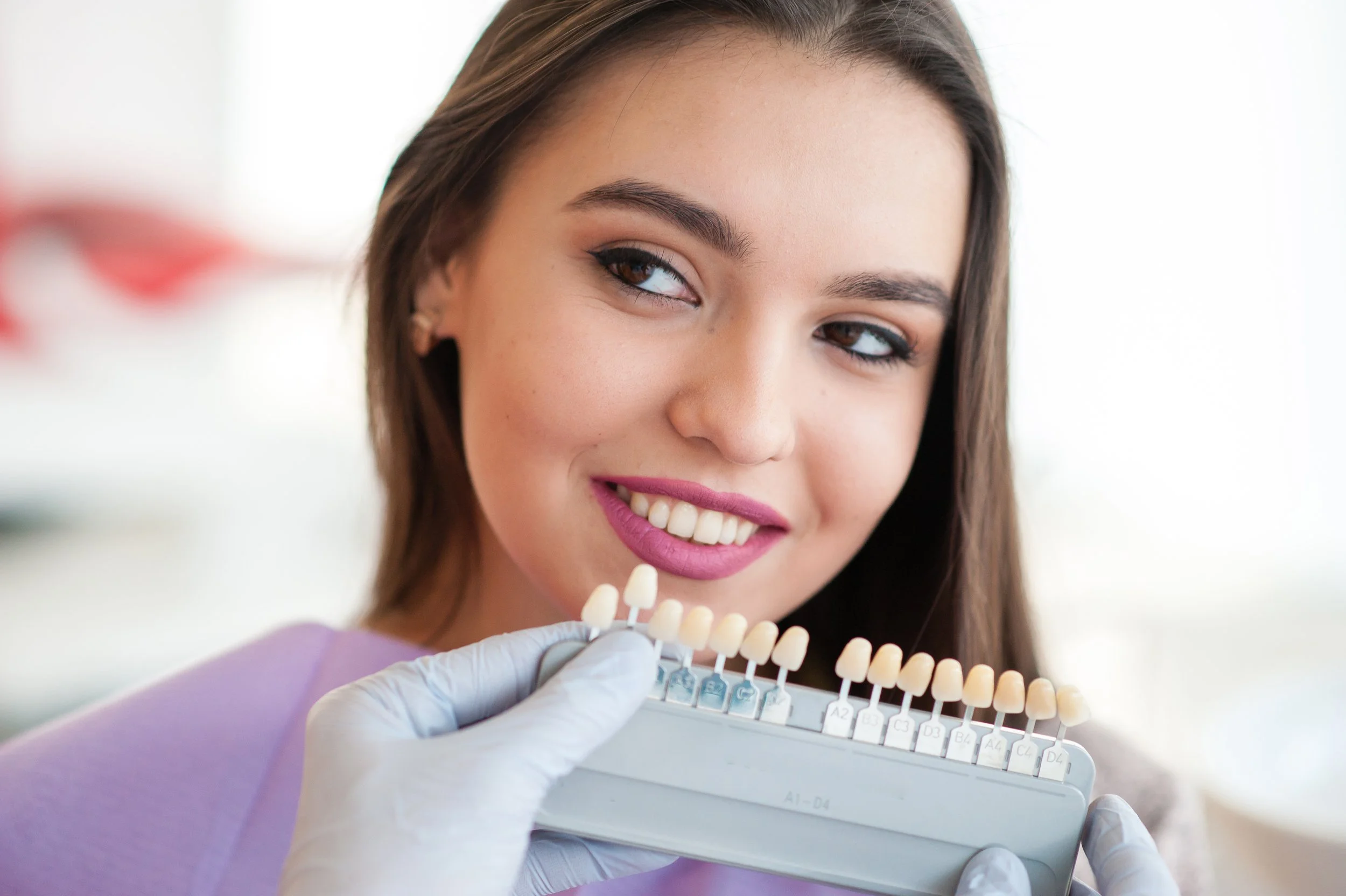
Teeth whitening remains one of the most requested cosmetic dental procedures in everyday practice—and for good reason. Patients want a brighter smile, but more importantly, they want a result that feels noticeable, reliable, and worth the investment of professional treatment.
One of the most common questions patients ask is: “Will this work better than what I can buy at the store?”
The answer, in my experience, is yes—but not simply because professional whitening products are stronger.
Over more than three decades in dentistry, I have found that the best whitening outcomes come from combining technique, patient compliance, and treatment sequencing—not from relying on a single appointment or a single product.
Over the years, I developed a protocol in my practice that I refer to as deep bleaching—a staged whitening approach designed to help patients achieve a whiter result while improving predictability and long-term maintenance.
This article is intended for fellow dentists and shares how I approach whitening clinically, why I use this method, and how it compares to more traditional whitening models.
What Makes Professional Teeth Whitening More Effective Than Over-the-Counter Products?
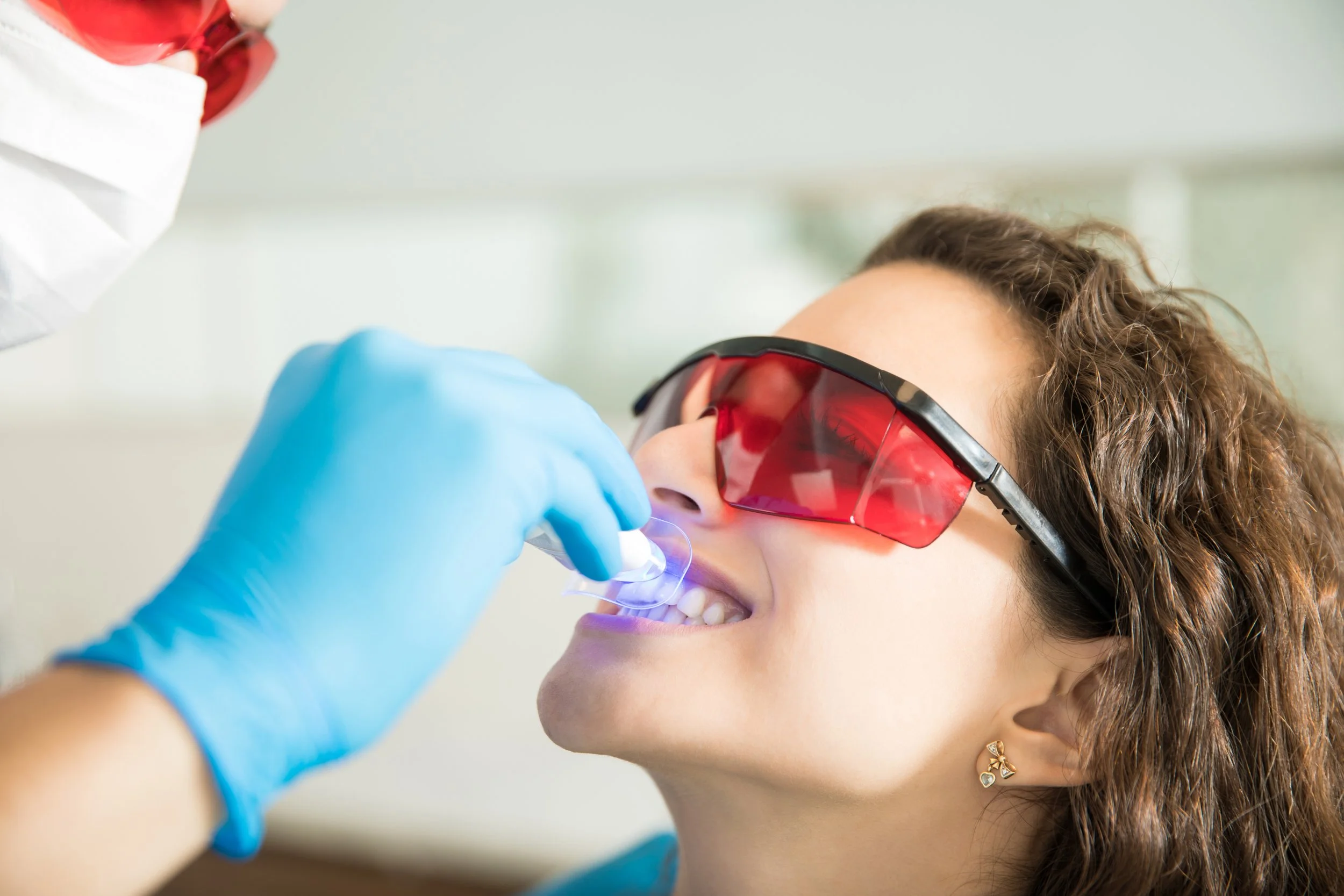
Patients often assume that professional whitening means stronger whitening—and to some extent, they are correct.
Most over-the-counter systems contain lower concentrations of active whitening agents and are designed to be safe for unsupervised home use. Professional whitening systems, on the other hand, allow dentists to administer higher concentrations of bleaching agents under controlled conditions.
In my experience, hydrogen peroxide remains the most effective active ingredient for whitening because of its ability to penetrate enamel and oxidize stain compounds.
However, concentration alone does not determine success.
Many patients undergo one in-office whitening appointment and expect dramatic, permanent change. While some achieve excellent results this way, others plateau quickly or feel disappointed because whitening was treated as a one-step procedure.
That observation is what led me to refine my own process.
My Deep Bleaching Technique: A Multi-Stage Whitening Protocol
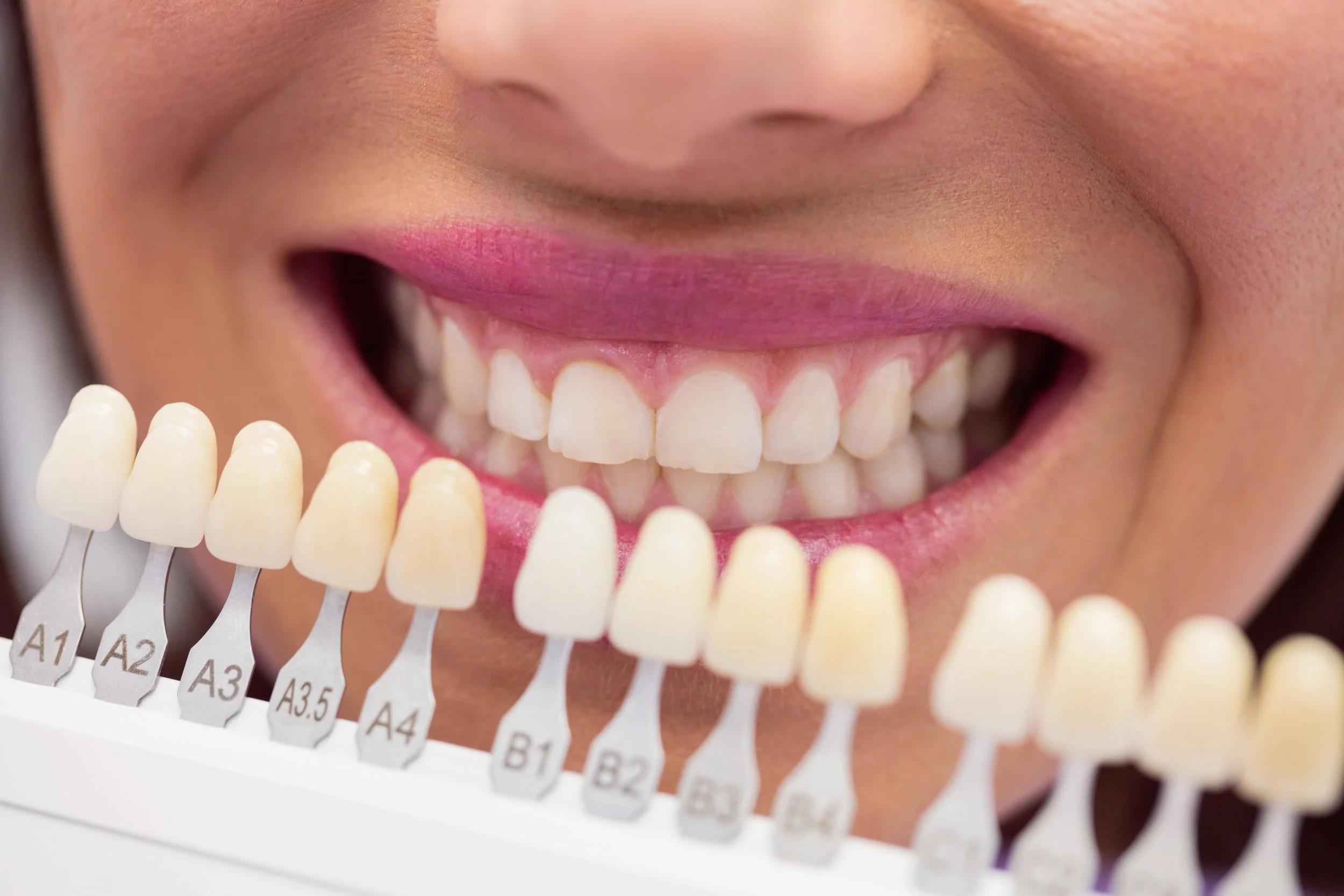
I developed this protocol after years of observing patient outcomes and recognizing that whitening often performs better when treatment is extended rather than compressed.
My goal is simple: help patients achieve the whitest result appropriate for their dentition while maintaining safety and setting realistic expectations.
Step One: Initial Evaluation and Treatment Planning
Every whitening case begins with documentation.
I evaluate:
Current shade and photographic baseline
Existing restorations and visible dental work
History of sensitivity
Type and severity of staining
Patient expectations
This initial conversation is critical because whitening success is not determined only by color change—it is determined by whether the patient feels the outcome matched what they expected.
At this first visit, impressions are taken for custom whitening trays that will be used during the at-home phase.
Step Two: First In-Office Whitening Treatment
During the first whitening appointment, I perform an in-office bleaching procedure using a medical-grade hydrogen peroxide whitening system according to recommended exposure protocols.
This appointment establishes the initial whitening response.
Patients often leave excited because they see visible improvement immediately—but in my experience, this is only the beginning of the process.
I explain that whitening does not end when they leave the office.
Step Three: The At-Home Whitening Phase
After the initial treatment, patients receive custom trays and whitening material to continue treatment at home for at least one week.
This portion of the protocol is one of the reasons I believe the results become more predictable.
Rather than concentrating all whitening into one appointment, the at-home phase extends the treatment window and allows whitening to continue progressively.
Patients become active participants in the process.
I have found that continuing whitening at home often helps maintain momentum between appointments and supports greater overall improvement than isolated chairside treatment.
Step Four: Return for a Second In-Office Whitening Session
Patients return within approximately two weeks for a second in-office whitening treatment.
This second session is where I frequently see meaningful refinement in the final result.
By layering professional treatment with supervised home whitening, patients often achieve a more complete and satisfying outcome compared with a single-visit approach.
For many patients, this staged protocol creates a result that feels more dramatic—but also more stable.
Why I Believe Deep Bleaching Produces More Predictable Results
One of the biggest lessons I’ve learned over decades of practice is that whitening is rarely about finding the strongest product; it is about creating the right conditions for success.
Deep bleaching works because it combines:
Professional supervision
Multiple whitening exposures
Custom tray delivery
Patient participation
Structured follow-up
When patients understand that whitening is a process rather than an event, satisfaction tends to improve.
How This Differs From Traditional One-Visit Whitening Systems

Traditional whitening systems often emphasize speed. There is certainly value in convenience, and single-visit whitening has a place in cosmetic dentistry. But I have found that some patients benefit from a more layered approach.
Traditional whitening often includes:
One treatment appointment
Limited follow-up
Minimal maintenance guidance
My deep bleaching workflow instead emphasizes:
Initial clinical treatment
Continued home whitening
Reinforcement treatment
Long-term maintenance
It asks more of the patient—but in return, I believe it often delivers a more predictable experience.
Patient Compliance: The Hidden Variable in Whitening Success

One of the most overlooked parts of whitening is patient behavior.
During active bleaching, I instruct patients to limit substances known to stain teeth, including:
Coffee
Red wine
Tobacco
Deeply pigmented foods and beverages
I explain to patients that whitening is not simply something being done to them—it is something we are accomplishing together.
The more carefully they follow instructions, the better the final outcome tends to be.
My Approach to Whitening Maintenance
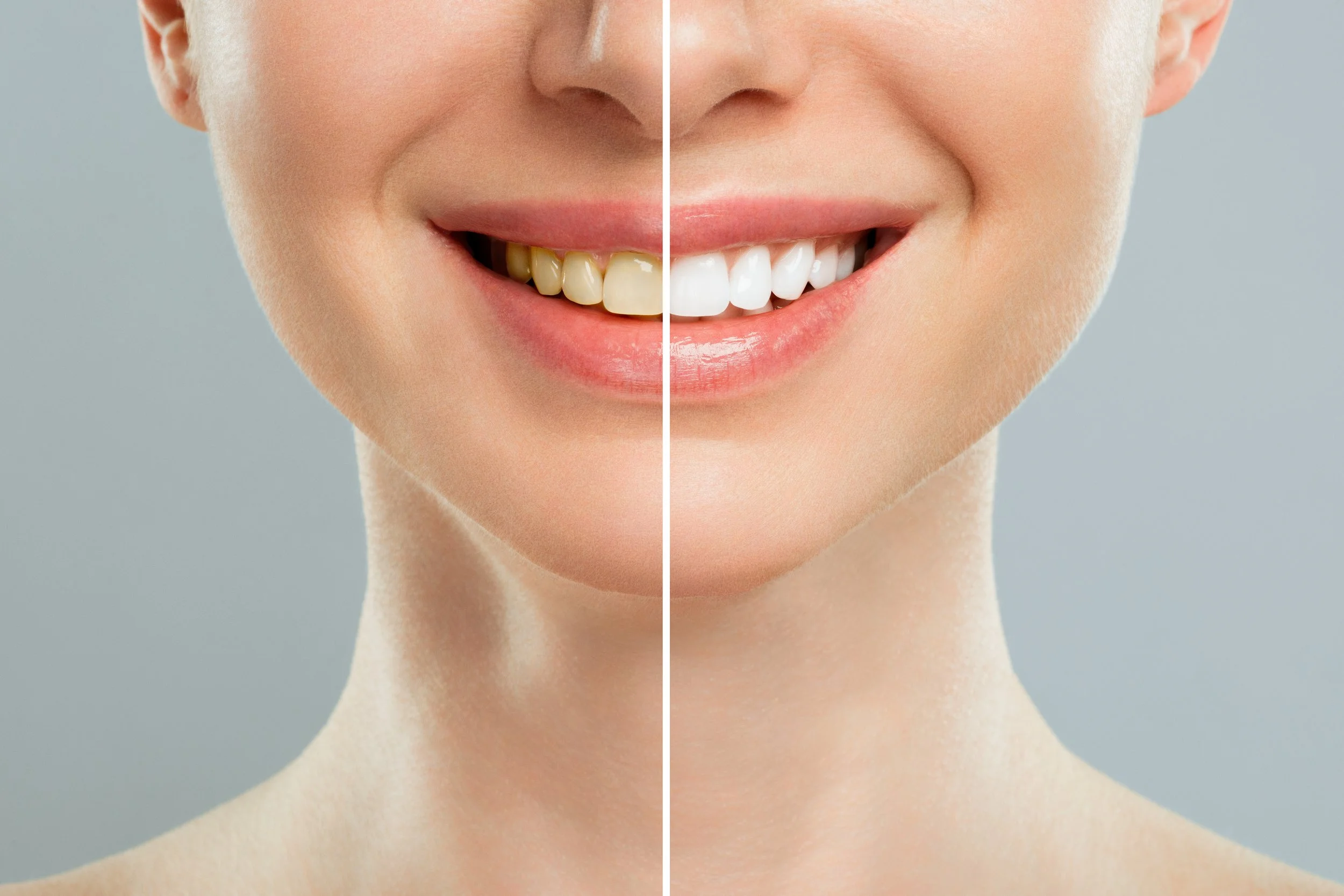
Maintenance matters.
Beginning on day one, I provide patients with a whitening toothpaste and instruct them to replace their normal toothpaste during the maintenance phase.
Personally, I have used Rembrandt whitening toothpaste for more than twenty years and have found it useful as part of long-term stain management.
My goal is not to continue bleaching indefinitely—it is to help patients maintain the improvement they achieved.
Patients occasionally comment that they would like their teeth to remain as white as mine, and that often opens the door to a broader conversation about maintenance, consistency, and realistic expectations.
Managing Expectations: Not Every Tooth Whitens the Same
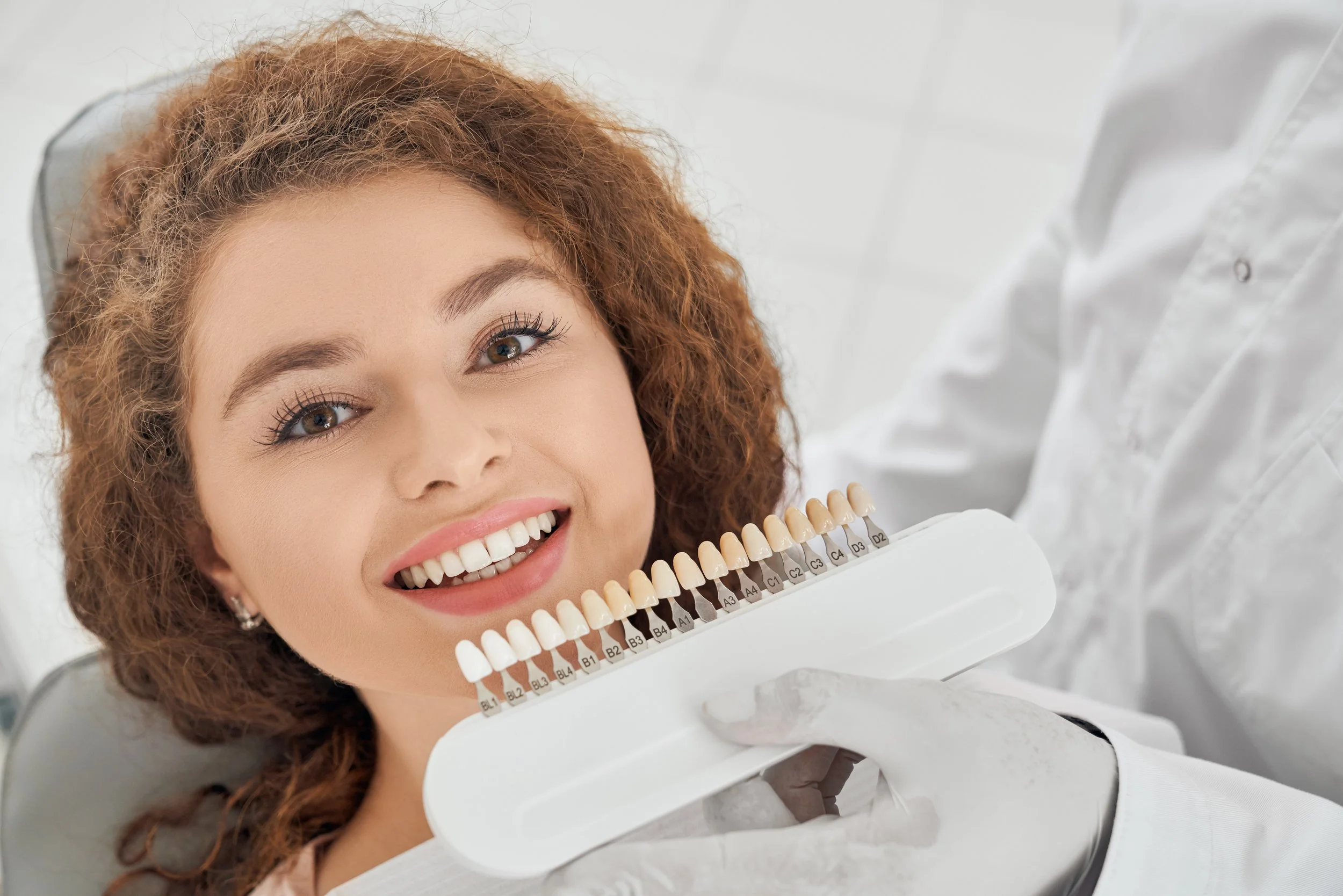
One of the most important conversations we can have as dentists is about limitations.
Whitening outcomes vary.
Factors that influence results include:
Existing restorations
Intrinsic discoloration
Age-related darkening
Previous staining history
Patient compliance
No whitening system can guarantee a specific shade.
What we can do is create a protocol that improves predictability.
Final Thoughts: Why I Continue to Use This Whitening Protocol
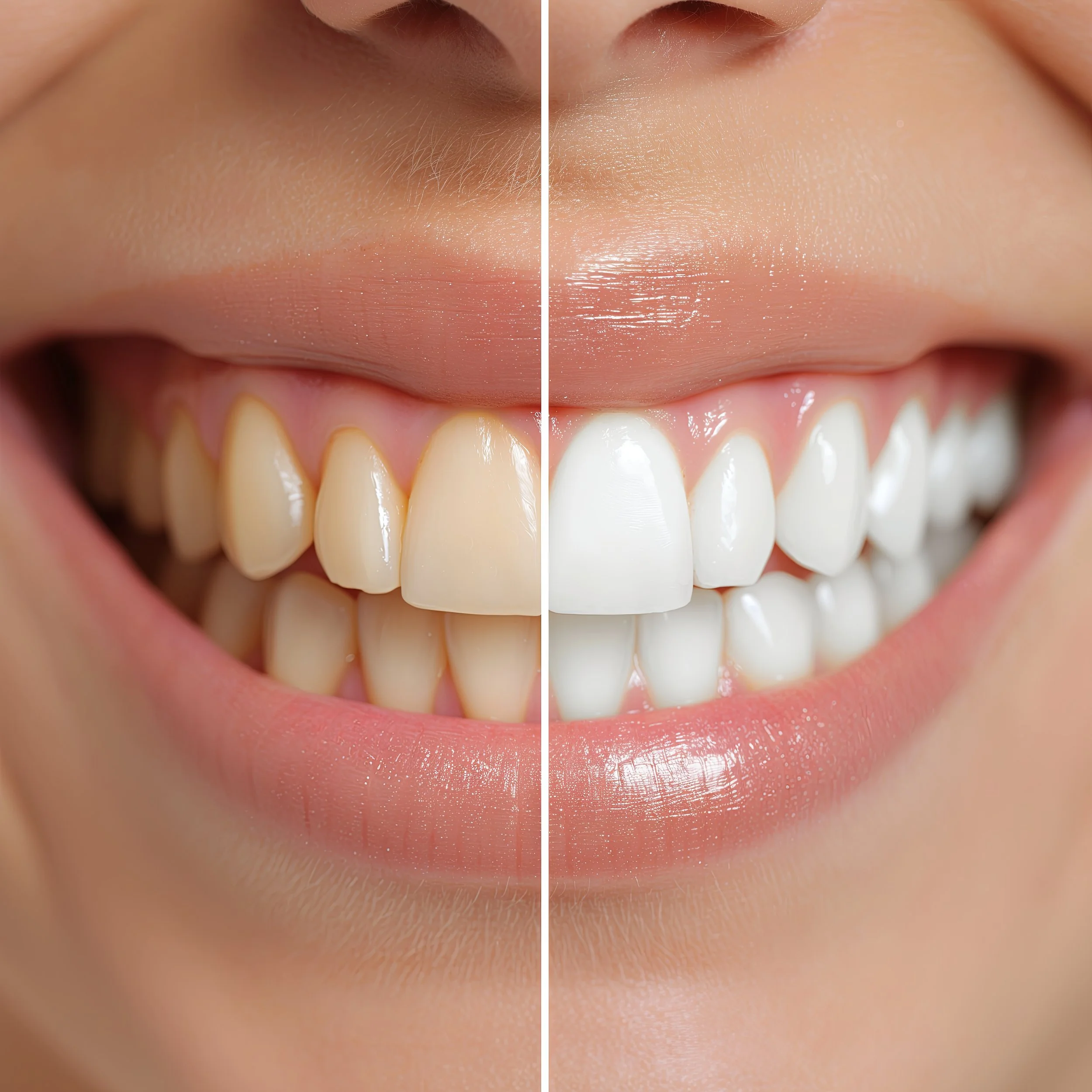
After decades in practice, I still believe professional whitening is one of the most rewarding cosmetic procedures we provide.
Not because it is the most complex—but because patients notice the difference immediately.
Over the years, my approach evolved into a system that combines:
In-office whitening
At-home continuation
Patient education
Long-term maintenance
That combination became what I call deep bleaching. For me, whitening has never been about chasing the fastest result. It has been about building a process that consistently helps patients achieve the brightest, healthiest-looking smile possible.